

A recent survey by Shopify revealed striking data around the commercial impact of creating genuinely excellent customer experiences in retail stores. The context matters: during the pandemic, physical retail had to ‘up its game’ visibly to compete with the growing gravitational pull of online. When the post-pandemic data came in, none of it was a surprise, but the scale of the shift in customer expectation was larger than most retailers had planned for. Here is what it shows.
The numbers worth sitting with
- 66% of consumers want more meaningful experiences, not just from retail, but they’re applying that expectation to retail.
- 75% of brands could disappear overnight and most people wouldn’t care, or would easily find a replacement. A sobering number for anyone who believes their customer base is loyal by default.
- 81% of shoppers said they were willing to pay more for goods if the experience was better. Price is elastic when the experience is clear.
- 57% of consumers are willing to change a purchase if they feel it supports the environment, a brand-level, not a product-level, decision.
Each of these numbers, read alone, is interesting. Read together, they describe a retail market in which the experience is the differentiator, the loyalty is conditional, and the permission to charge more exists, but has to be earned interaction by interaction.
“Seventy-five per cent of brands could disappear overnight and most people wouldn’t care. The experience is the only thing that makes the answer ‘I would.’”
How retailers are responding
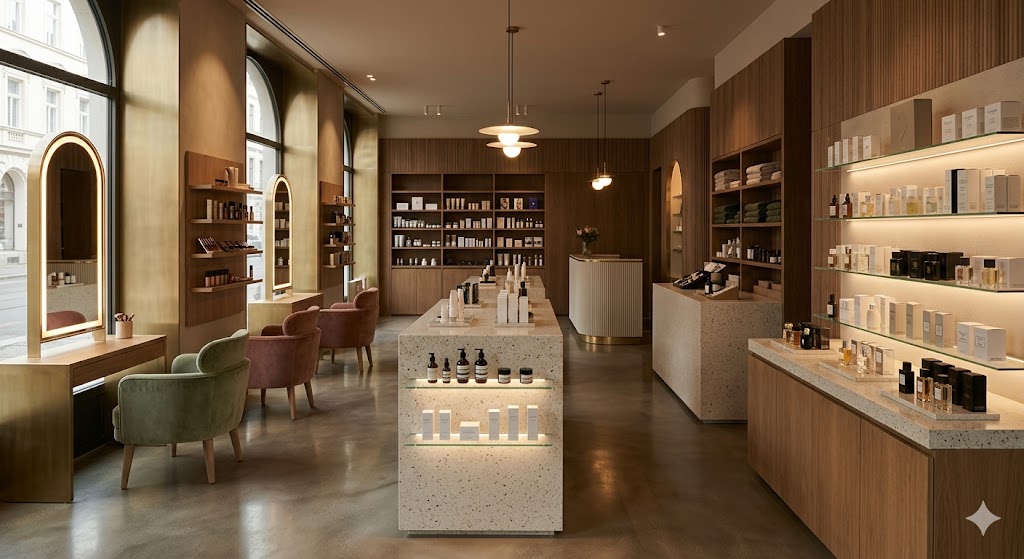
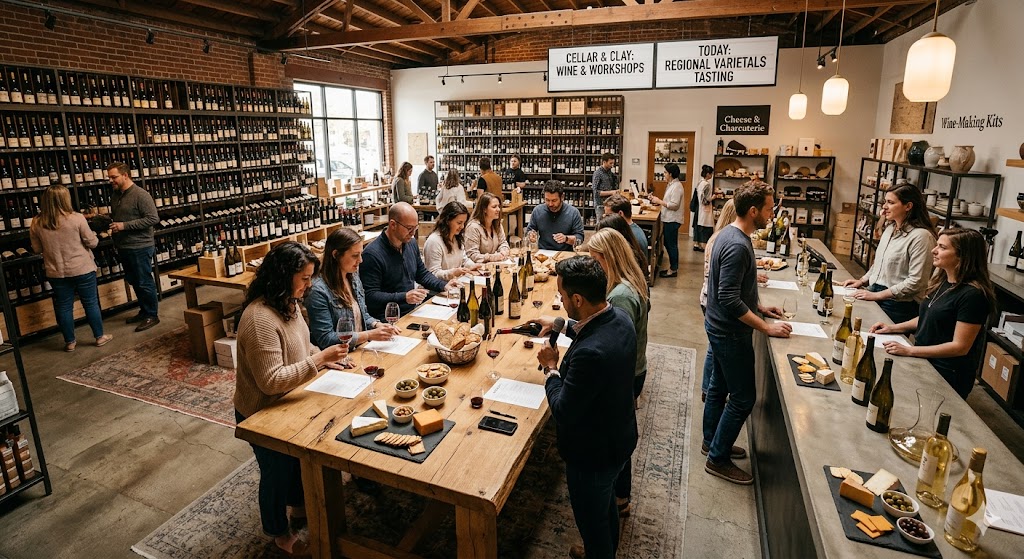
Retailers are starting to think outside the box, which is wonderful for the customer. The most interesting moves I’m seeing are what get called destination stores: spaces that stock their products but also deliberately increase dwell time. Coffee docks. Nail bars. Pop-up shops with rotating partners. Treatment rooms. Classes. Workshops. The store becomes a place customers want to be in, not just a place they transact in.
The commercial logic is straightforward. A customer who dwells longer builds a relationship with the space. A customer with a relationship to the space returns. A customer who returns is dramatically cheaper to sell to than a new acquisition. Destination retail isn’t a design flourish, it’s a customer-acquisition strategy with better unit economics.
The other move worth noticing is community. The retailers who treat their physical space as a community hub, a place where customers meet each other, not just the product, are producing loyalty numbers that traditional loyalty schemes cannot match. Sweaty Betty’s in-store classes, Lululemon’s yoga programmes, Apple’s Today-at-Apple sessions, the independent bookshop that runs an author series, all of them are betting on the same principle. The brand earns the right to be part of the customer’s social life, not just their shopping list.
What this means for independent retailers
Most of the innovation gets the airtime when a big brand does it. The more interesting implication is for independent retailers, the ones reading this, who can move faster and create community more genuinely than any multinational ever will. An independent retailer who hosts a monthly event, runs a preloved swap, offers a styling hour or a how-to workshop is playing directly into the data above. You don’t need a big budget. You need a clear decision about what your brand stands for, and what you’re willing to do consistently to be that brand in your customer’s life.
Knowing how your store actually performs against that experience benchmark today, not in theory, but in the moments customers walk in, browse, and decide whether to come back, is exactly what a structured mystery shop audit is built to measure.
A question worth answering this week
Have you seen any innovative ideas in your local store recently? What would you like to see when you visit a retail outlet? The honest answers to those two questions are usually a better brief for your next in-store programme than any consultant deck. If you’d like help turning the answer into something operational, a discovery call is a good place to start.