

Where is retail at now? Retailers and brands have come out of a pandemic that effectively lasted three years, into a landscape shaped by supply chain disruption, inflationary pricing, economic uncertainty, and a consumer whose expectations have shifted permanently. There is positive outlook, but there is also a lot of noise, particularly on inflation, closures, and the endless narrative that physical retail is dying. So how can retailers cut through the noise and devise a strategy that actually grows market share?
You will hear some version of these four sentences in almost every retail WhatsApp group at the moment: Payroll’s gone up, people can’t afford to keep the doors open. Everyone’s shopping online now. Consumer spending is dropping. That won’t work, no other retailer is doing it. All four are partly true and entirely unhelpful. If you continue doing the same thing, you will continue getting the same result. Habits become extremely hard to change, especially in retail, where people tend to have done things a certain way for years. Implementing change is not easy, the pain of not doing it has to exceed the pain of doing it before anyone moves.
So, three practical places to move first.
Tip 1, Focus on one KPI
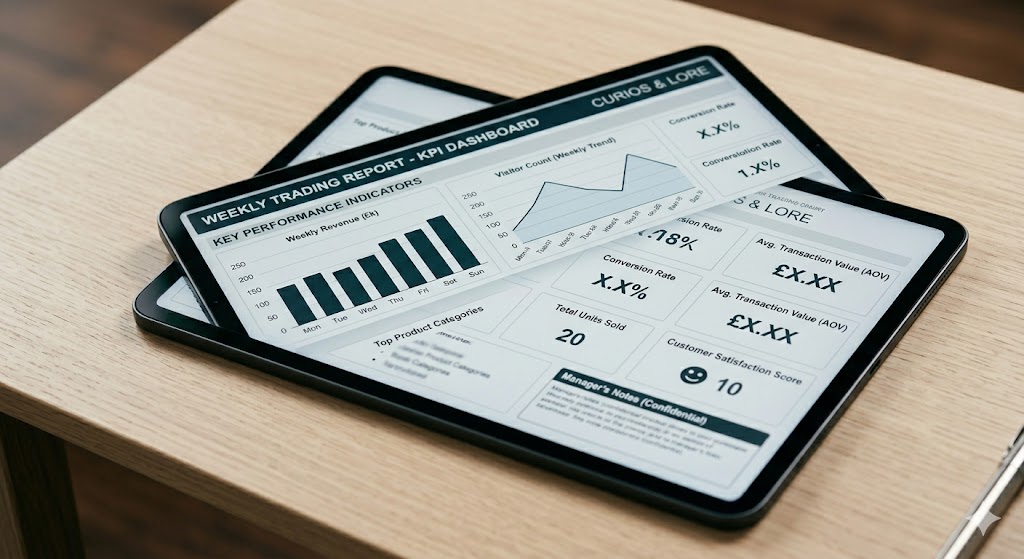
The single biggest mistake I see retailers making is going after every KPI at once. There are plenty of them to choose from, ATV (average transaction value), IPC (items per customer), PPP (price per product), footfall, conversion. Most stores cannot materially improve all of them simultaneously. What they can do is pick the one that will produce the best ROI for their specific format and location, and commit to it for a defined period.
Not every store has the luxury of being in a high-footfall area. It does not make sense for that store to keep chasing footfall as a KPI, the lever isn’t in their hands. But the PPP lever is. If you can influence the price per product that the customers already walking in are spending, your ATV goes up, your basket goes up, and your profitability goes up without a single additional shopper. Seek the opportunity that matches the reality of your store.
“If you chase every KPI, you will waste a lot of money. Put the same resources into one or two, and you will see a return you can measure.”
Prioritise ruthlessly. Choose the KPIs you can most influence with the resources you have, commit to them for a quarter at minimum, and measure weekly. Every other metric stays watched but not worked on. This single shift in discipline produces more commercial impact than any number of new initiatives run in parallel.
Tip 2, Omnichannel isn’t just an online store
This is where retailers need to reinvent their approach. Having an online store is not an omnichannel strategy, it is one channel among many. Think like the customer: where are they actually spending their time? Apps. Short-form video. Tutorials. Live shopping streams. Meet them in those environments, not just on your own dotcom.
TikTok live shopping, Instagram broadcast channels, YouTube tutorials, Zoom shopping integrations, these are all live in 2026 and all under-used by independent retailers. Stylists and image consultants are building commission models on Zoom, selling other retailers’ products during styling sessions. Retailers can extend their footprint into these environments for very little capital cost. Ask yourself: what places could your retail sales extend to that you’re not currently present in?
A second angle: if you operate with multiple suppliers, there is a live conversation to be had about selling advertising space on your own website to them. The practice is growing year-on-year in the US and the economics can transform cash flow. It is a revenue line that costs almost nothing to add.
Third, use in-store technology to interact with customers the way they already interact with everything else in their lives, through their phones. QR codes that link to how-to videos. Tablets that let customers take a quiz to find the perfect sofa or build-to-order. Interactive displays that turn a passive browse into an active engagement. Ask yourself honestly how interactive your shopfloor is for customers who expect to use their mobile.
Tip 3, Additional services that build community
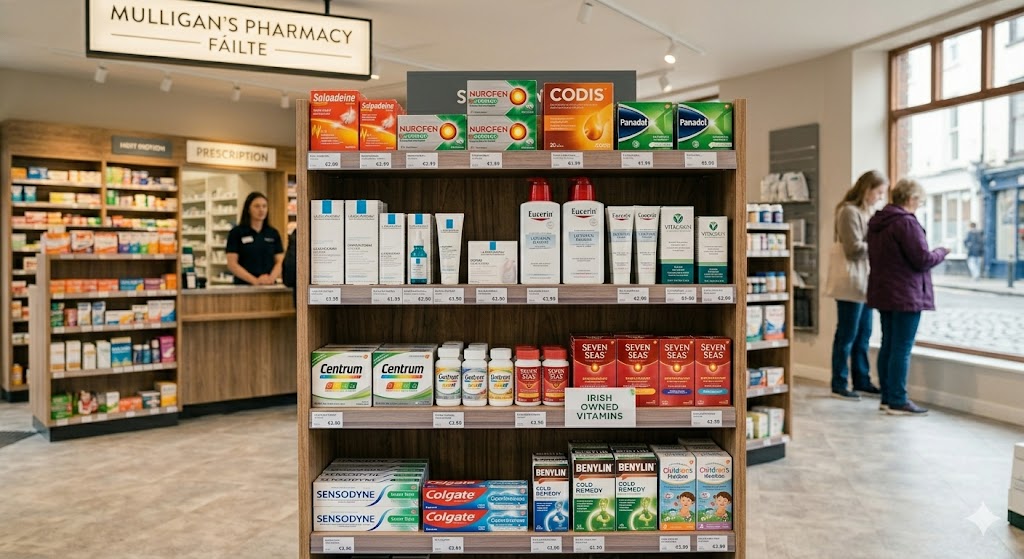
What additional services could you offer that build on the community of your brand? This is where some of the most interesting retail innovation is happening.
Shop-in-shop. Popularised in recent years, Next now stocks Nike, Topshop and others inside its own stores. For the host retailer, it adds footfall and range. For the guest, it buys distribution. For the customer, it creates reason to revisit.
Loyalty schemes, CRM programmes, memberships. These build retention and give you access to the customer’s spending pattern. You can tailor promotions, get real-time feedback on launches, and make decisions based on your customers, not the wider market you’ve been inferring from.
Classes and in-store experiences. Sweaty Betty runs exercise classes in stores in the UK, the product is literally worn and used during the class, and indirect selling happens naturally. Mothercare ran antenatal classes in store with a midwife, demonstrating car seats and other products live. The result was over 40% sales growth on those product lines and a positioning as the go-to brand for new-parent expertise.
Preloved and repair. Patagonia has built this into the brand ethos. Zara is piloting preloved and repair services in the UK. If sustainability is part of your brand promise, a preloved section or a repair service isn’t a cost centre, it is a brand statement that customers are actively looking for.
“The retailers who thrive are the ones who give customers a reason to come in that isn’t just buying something.”
Where to start
Don’t try all three at once. Pick the one that will move the needle most for your format: KPI focus if your team is stretched thin across everything, omnichannel rethink if your online channel has plateaued, additional services if your brand is strong but footfall feels transactional. A retail consulting diagnostic or a discovery call is usually where we start sorting the signal from the noise.