
Since Black Friday hit the European market with the UK in 2010, it grew year on year. It started as a day, became a weekend, then a week, and for most of the larger retailers it has now stretched into month-long campaigns. So what has changed, and why are a growing number of serious retailers walking away from it?
The emergence of buying fewer, better
Consumer spending habits are changing. More customers are responding to the environmental impact of mass discounting, which, by design, promotes overconsumption. The retailers who have noticed this first are moving early.
Foxford Woollen Mills, the Irish retailer, decided they would no longer take part in Black Friday. They felt the event did not align with their brand ethos. Their reason was to promote thoughtful consumption and to respond to the environmental pressures facing consumers. Instead of a price-cut campaign, they launched a pop-up selling pre-loved pieces, giving product a second life and positioning the brand around a different value.
Mashu, a UK-based contemporary handbag retailer, took a similar approach. Instead of a Black Friday sale, they launched a CLEAR FRIDAY campaign: a traceability roadmap showing the step-by-step production of each handbag, including working conditions and pay at every touchpoint. Customers could see exactly what their money was paying for. It’s a sale campaign that doesn’t involve a sale.
Consumers have lost trust in the price
Research from the Irish Competition and Consumer Protection Commission found that 61% of consumers don’t believe they’re getting a bargain on Black Friday. Surveyed shoppers believed the prices before Black Friday had been artificially inflated, so the reduction wasn’t as deep as the headline suggested. When two-thirds of your audience doesn’t trust the mechanic, the mechanic is broken.
“Sales can devalue a brand. The customer’s perception becomes that the stock was never worth the full price in the first place.”
The Chanel example
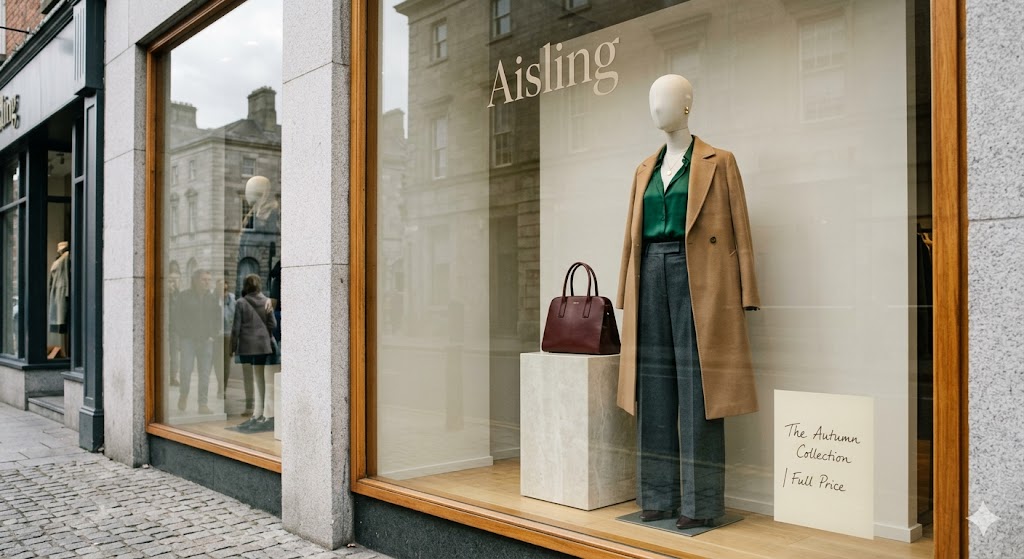
Retailers don’t need to price-drop to drive sales if they’re clear about the brand they’re running. Look at the cosmetics industry: Chanel perfume is never on sale. Does the model work? Yes. The consumer knows the product won’t be reduced, so they buy when they need it, all year round. The absence of a sale becomes a signal about the product’s worth.
This isn’t about being expensive. It’s about strategic clarity. Some customer segments only buy on sale. Others only buy at full price. Retailers need to decide which customers they want, and design their pricing around that choice. Retailers that never discount their core products and still deliver strong sales are not losing out, they are running a different, cleaner business.
Seasonal stock is a different question. That is where a strong pricing strategy built into the Q3 and Q4 forecast matters. Retailers who plan for overstock clearance before year-end don’t find themselves decimating margins on 31st December in a panic. The difference between a planned sale and an emergency sale is everything.
Diluted event, changed behaviour
Black Friday itself is being diluted. PwC’s Christmas outlook survey of over 4,000 consumers found that only 20% were waiting to shop on Black Friday specifically. The rest are spreading their purchases over the weeks leading into Christmas. With inflation in the background, customer sentiment is about spreading spend, not concentrating it, and retailers chasing the single-day spike are chasing a diminishing share of consumer intent.
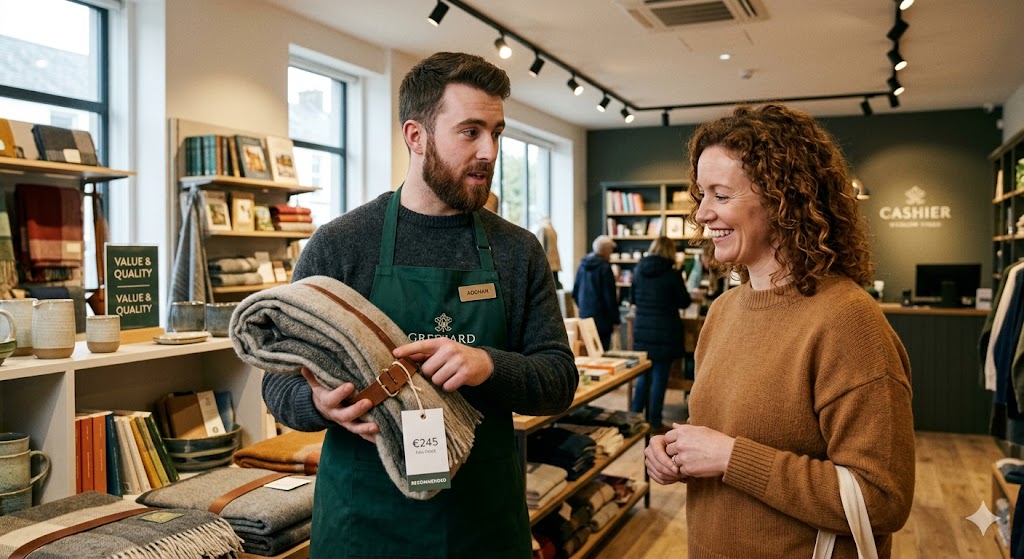
The research also reveals something more useful: many customers repeat-buy at Christmas to retailers they trust, based on relationship, not price. Retailers can capitalise on this by offering a no-fuss exchange policy on early-season gifts. Gift receipts. Frictionless exchanges. These features pull early shoppers in October and November, when margins are still healthy, and make it easier to convert them on full-price lines.
A strong after-sales policy, transparent, clear, generous, is a commercial asset. Most consumers buying high-ticket products make the purchase decision at the point they understand the returns and exchange terms. This is often the silent tiebreaker.
In summary
Look at your retail sales strategy, product offering, ethos and brand. Sales will always exist as a tactic, but knowing why your brand is running a sale, and what the long-term return is, matters more than the short-term revenue spike. You can go far beyond reductions as a growth strategy when you’re clear on the brand you’re building.
If you run a retail store and want to think about how to optimise sales growth without relying on discount cycles, that’s the kind of question a retail consulting engagement is built for, or reach out for a discovery call.